


If it reaches the water,
we're already on our way.
SpillGuard Engineering Ghana Limited handles oil-spill prevention and response along the Ghanaian coast. We keep the gear staged, the crews trained, and the phone answered.
Duty officer answers 24/7 — no call centre, no obligation.
- 24/7
- Ghanaian duty crew on call
- < 2 hrs
- Mobilisation window
- 30 km
- Coastal coverage radius
- IMO OPRC
- Aligned response planning
We respond. We don't just advise.
Plenty of firms will write you a spill plan. Far fewer will put a boat in the water at 3am with a Ghanaian crew that knows the coastline. SpillGuard does both, but the response side is the reason we exist.
Ghanaian workers who've done it before
On-scene-coordinator trained, with people who have worked real incidents and not just the drills. Two of them are on the duty roster every night.
Our own Ghanaian divers
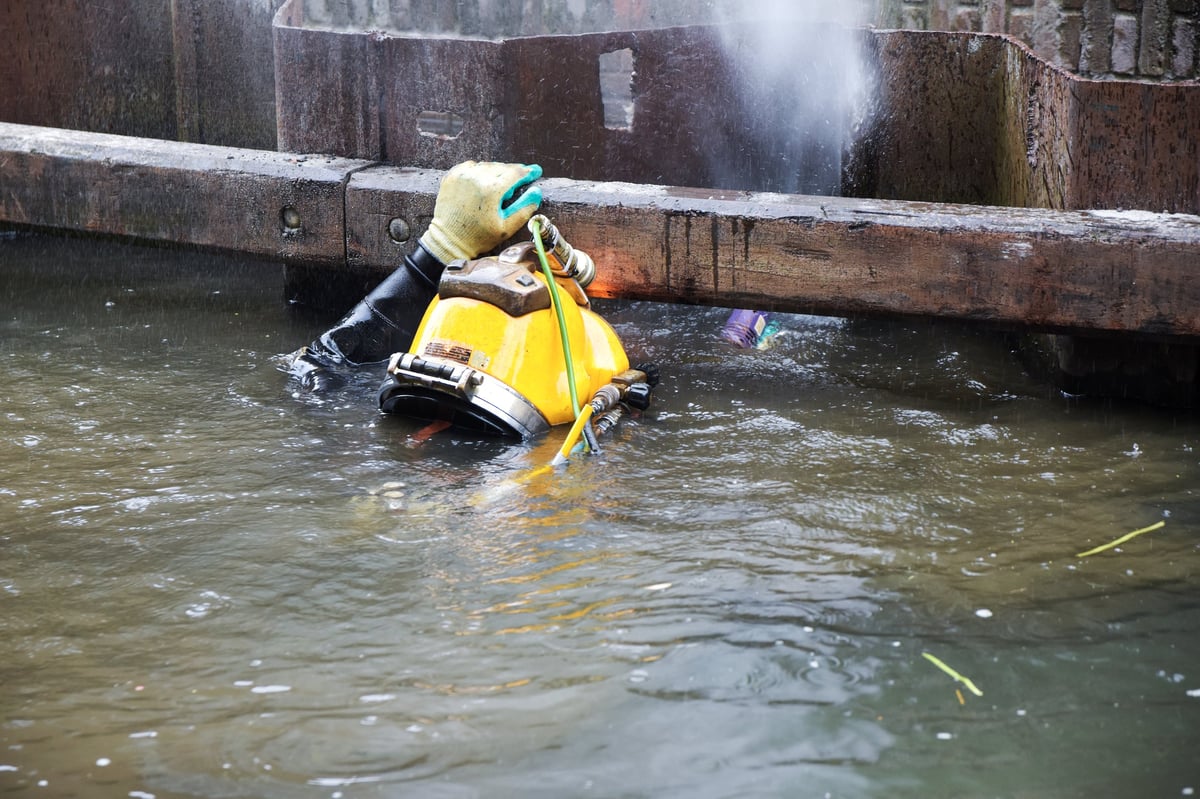
Not subcontracted, and not flown in. Our Ghanaian dive team does hull surveys, mooring inspections and intake checks, and they're on the same radio as the response crews.
Gear kept in Takoradi
Staged near the water, on the shelf and ready. A boom that's four hours away is a boom that arrives too late.
Paperwork that holds up
Ghana EPA submission requirements, IMO OPRC and MARPOL alignment. Plans written to survive an inspection, not just a meeting.
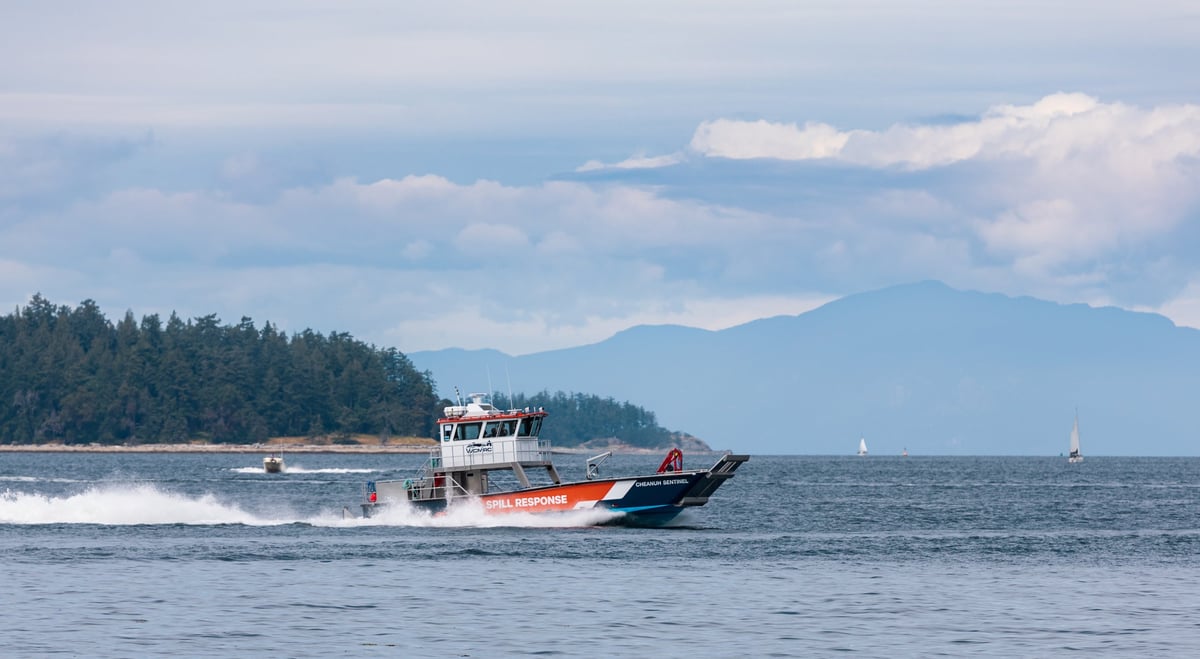
What happens in the first two hours decides how bad the rest of it gets. That's the two hours we plan for.
Built to the standards our clients get audited against
Our plans, procedures and crews are written around the frameworks below. If your own inspection is coming up, we can send the supporting documents ahead of it.
- IMO OPRC
- OPRC Convention
- The international framework for oil-pollution preparedness. It shapes how our plans are written and how we drill against them.
- Ghana EPA
- Ghana EPA requirements
- Whatever we write has to satisfy the regulator. We work to Ghana EPA requirements first, then layer the international standards on top.
- MARPOL
- MARPOL Annex I
- The rules on oil handling, storage and transfer at sea. Our procedures are written around them, not paraphrased from them.
- ISO 9001 / 14001
- ISO 9001 and 14001
- Quality and environmental management. Documented procedures, kept current, and audited rather than filed away.
- Duty roster
- Trained, and on the roster
- On-scene-coordinator trained responders with real incident experience. Somebody is on the duty phone every hour of the year.
Certification documents are issued per engagement — ask and we'll send them.
The full chain of spill management
Prevention work at the front, response in the middle, clean-up and recovery at the back. Most clients start with one and end up using all three.
Oil-spill prevention
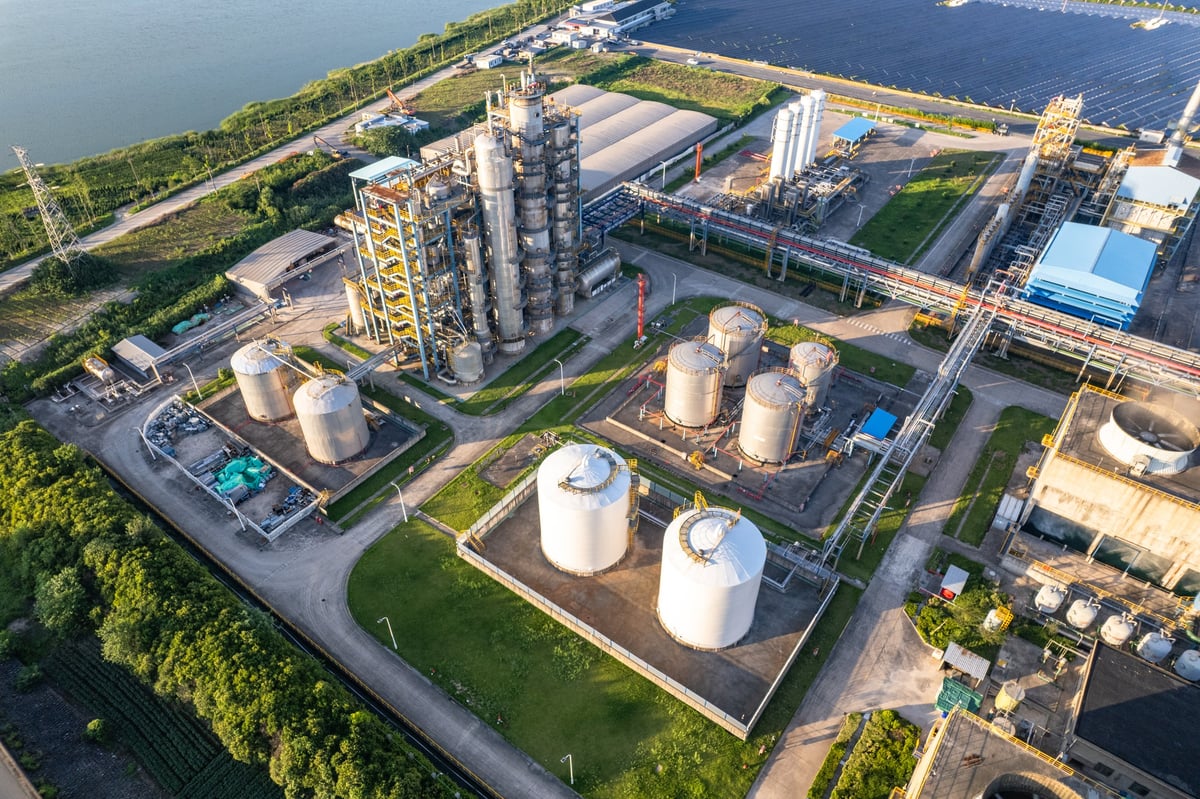
Site audits, risk assessments and operating procedures. The unglamorous work that stops a small leak becoming an incident.
02Oil-spill response
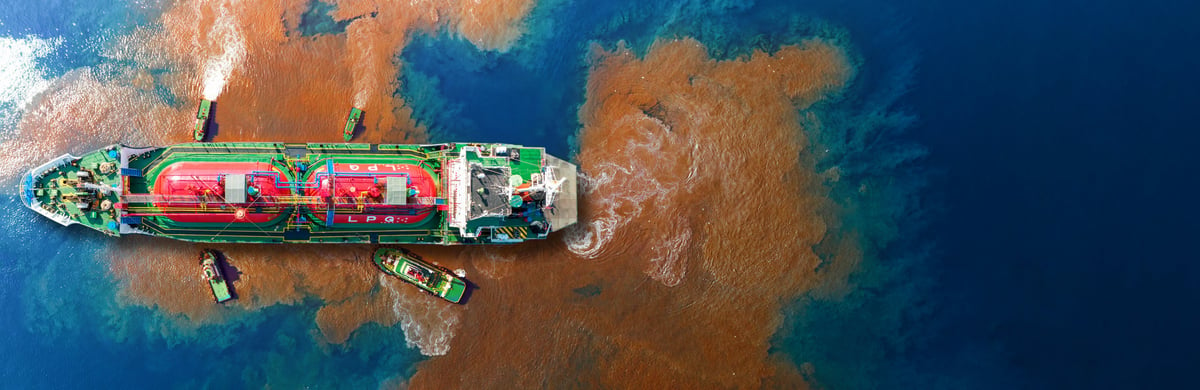
Ghanaian crews on a 24/7 duty roster and a written protocol, so the first hours are spent working rather than deciding who does what.
03Contingency planning
A plan written around your specific site — the layout, the drains, the nearest sensitive shoreline — plus a gap analysis against what you already have.
04Marine pollution control
Detection, containment and clean-up that starts with the fisheries, mangroves and landing beaches a spill would reach first.
05Containment and recovery
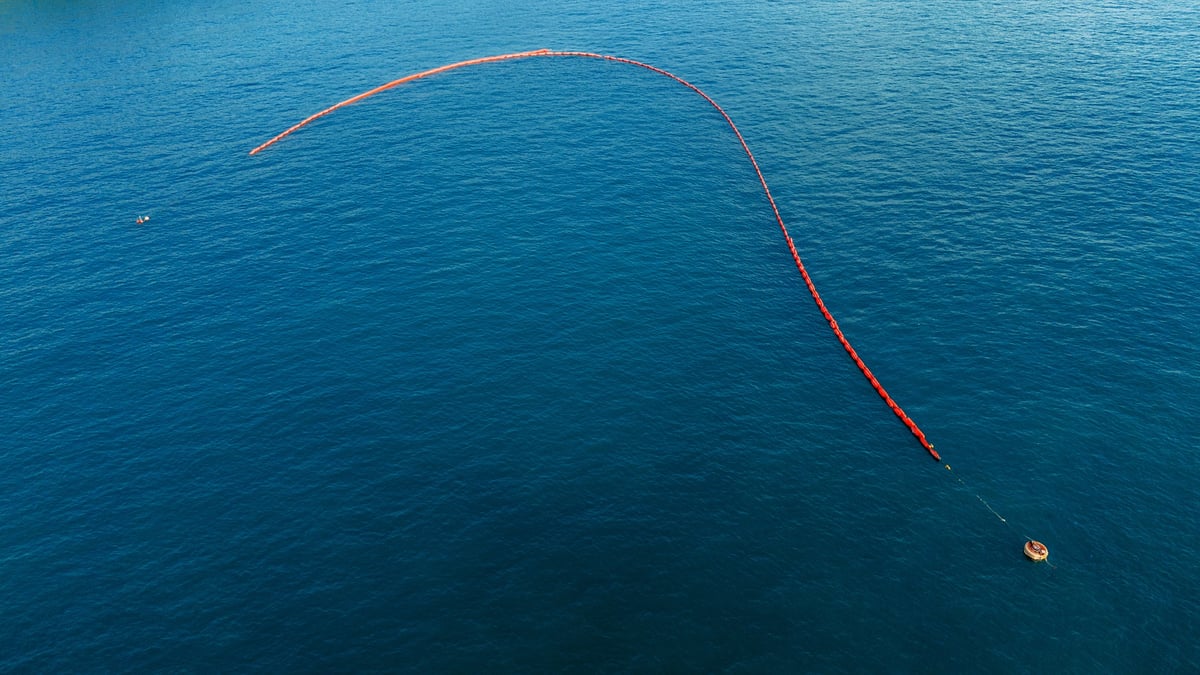
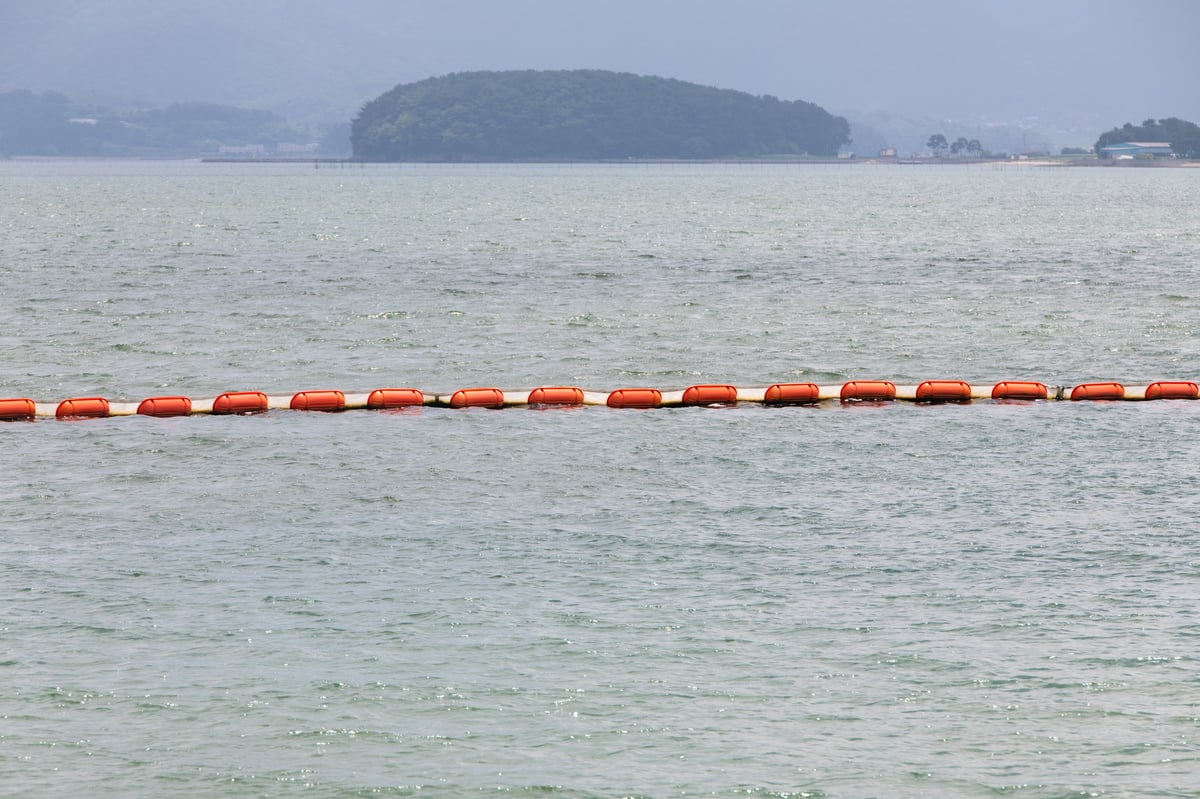
Booms to stop it spreading, skimmers and transfer systems to get the product back out of the water and into a tank.
06Emergency response
When it's already happening: incident command, liaison with the authorities, and work to limit the damage while it's still moving.
07Diving operations
Ghanaian commercial divers for hull, mooring and intake inspection, and to get eyes on submerged damage after an incident.
Local Ghanaian workers. Local knowledge. Local accountability.
Every worker we send out is Ghanaian and based here. They know which way the longshore drift runs, which creeks the fishermen use, and where the reef sits. That is not a nice-to-have when you are trying to stop oil reaching a village.
- 24/7
- Someone on the duty phone
- 2 hrs
- Call to gear in the water
- 100%
- Ghanaian workers on every site
- 7
- Services, one team
Kept near the water, because that's where it's needed
Our stores are in Takoradi, not Accra. When something happens west of Sekondi, we're not fighting traffic on the coast road with a truck full of boom. We also hire out equipment to operators who want their own stock on site.
- Containment booms
- Coastal, harbour and offshore duty
- Skimmers
- Weir, disc and rope types
- Absorbents and dispersants
- Shoreline and open water
- Storage and transfer
- Tanks, pumps and hoses
What the work actually looks like
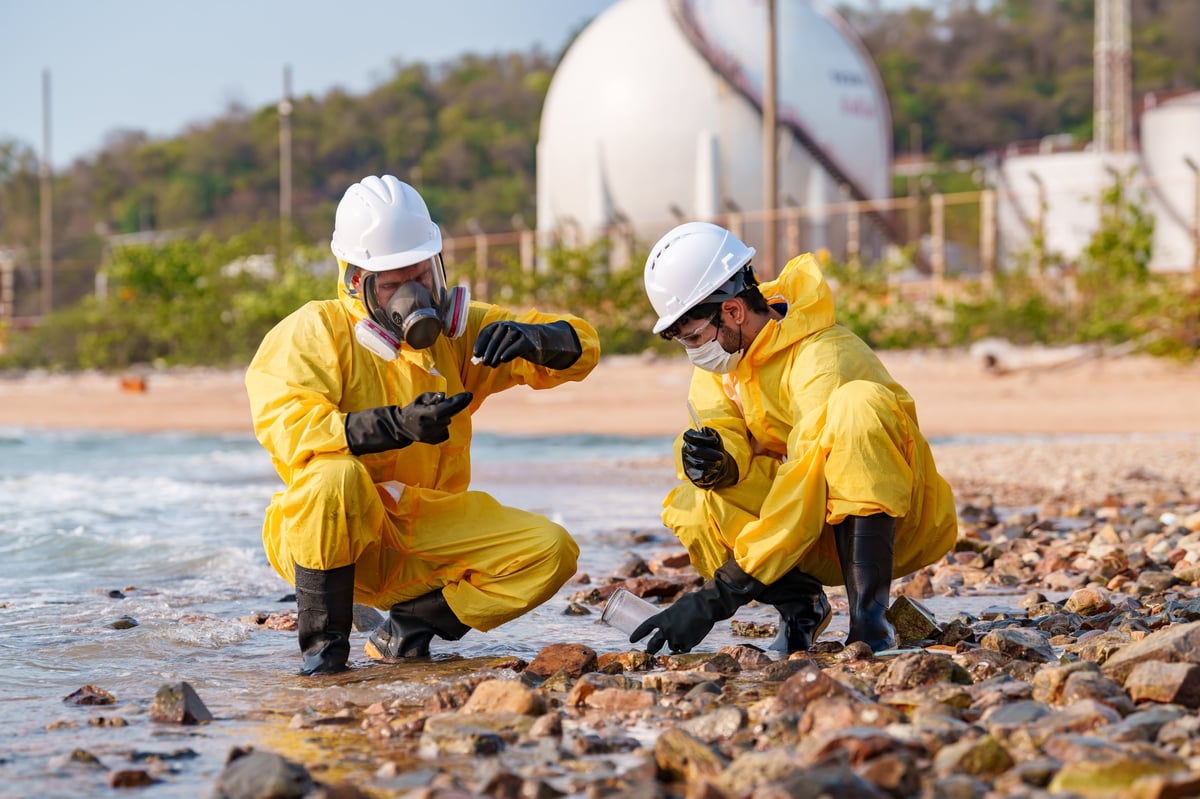
Drills, equipment checks and site work along the coast. None of it is glamorous, and that's rather the point — the job is mostly making sure nothing goes wrong, and being ready when it does.
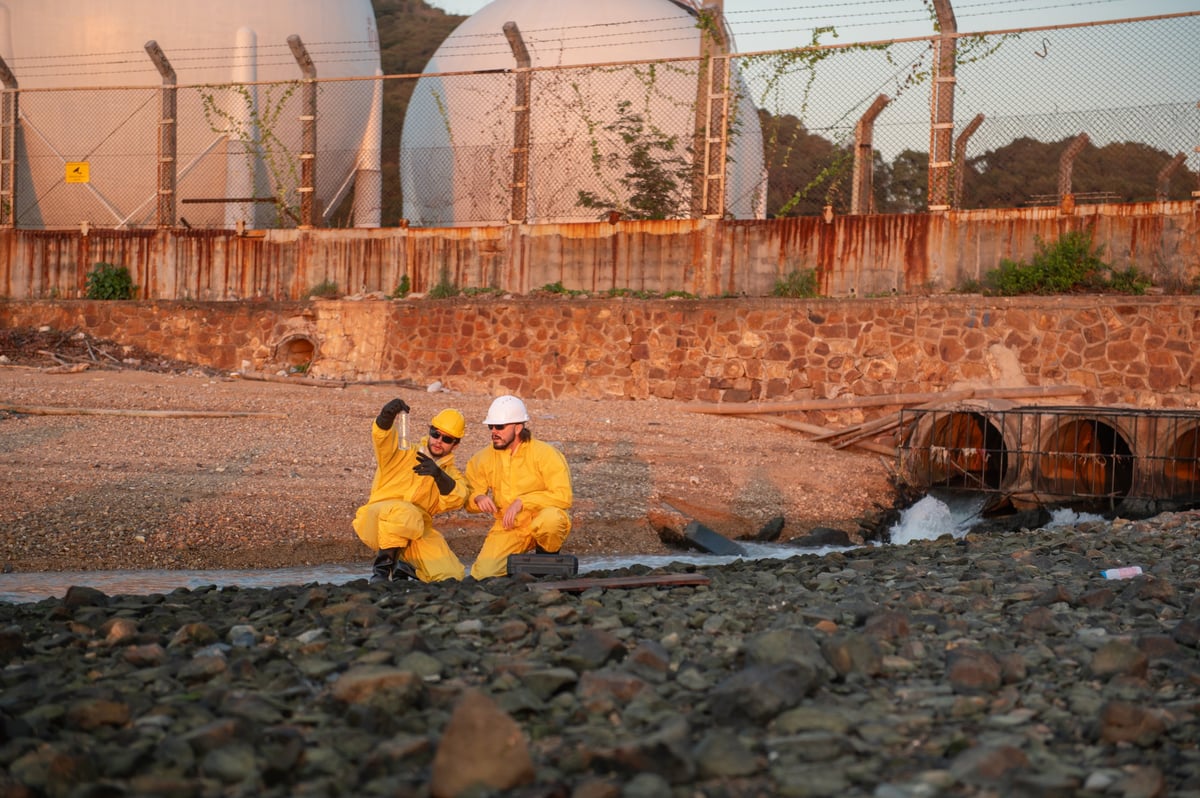
Boom in the water
Laid out to gather and hold, not just to look busy.
Call. Don't wait to see how bad it gets.
Ring the duty line and you'll get a person, day or night. They will stay on the phone with you and tell you what to do while the crew loads — where to put a boom, what to shut off, who else to ring. The workers who turn up will be Ghanaian, and they'll know the area.
Tell us what you're dealing with
Whether it's a new terminal that needs a plan, an audit coming up, or something currently leaking — put the details in the form and a planner will come back to you. If it's urgent, use the phone numbers instead.
- Head office
- Effia Light Industrial Area
Takoradi, Western Region
P.O. Box TD 233, Ghana - Office
- +233 312 095 43
- Emergency
- +233 202 901 901